
Why Your Basement Fills With Water Every Time It Rains
Valencia, United States - December 29, 2025 / Highlander Waterproofing & Foundation Repair /
Have you ever noticed water pooling in your basement after a good rain? This could be more than just an inconvenience; it might signal serious issues with your home’s water management or structural integrity. From clogged gutters and poor landscape grading to high groundwater levels and structural vulnerabilities, several factors could be causing this. Unresolved, these could escalate into costly damage and health hazards like mold. Stick around as we explore what might be going wrong and how you can address it.
Key Takeaways
- Faulty or clogged gutters may be causing water to pool near your home’s foundation, leading to basement flooding.
- An ineffective interior or exterior drainage system might be failing to prevent or remove water accumulation.
- Poor landscape grading could be directing rainwater towards your house, contributing to basement water ingress.
- Structural vulnerabilities such as cracks, gaps, or leaks in roofs, walls, windows, and doors could be allowing water penetration.
- High groundwater levels, especially during heavy rainfall, can cause seepage into basements if not properly managed.
 Understanding Basement Flooding
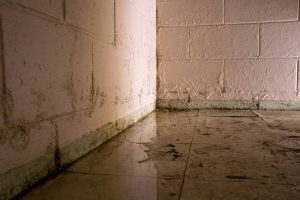
Everyone faces challenges in maintaining their home, and basement flooding is one of the most common. This problem can turn your quiet, useful space into a soggy mess. Understanding this issue is vital to preserving the value and safety of your house.
You might be surprised to learn that basement flooding isn’t just a rainy day issue. Sure, heavy downpours can cause water to seep into your basement, but that’s not the only way you can end up with a flooded basement. Melting snow, oversaturated ground, or even a nearby body of water can lead to the same unwanted result.
The risks of basement flooding are severe. When your basement floods, it’s not just a hassle; it’s a threat to your home’s structural integrity. Persistent dampness can lead to mold growth, which can have serious health implications.
Water can also damage the foundation and walls of your home, which can be costly to repair.
Taking a proactive approach is essential. Regularly inspect your basement for signs of water damage. Don’t ignore any signs of dampness or standing water.
Causes of Basement Water Accumulation
Recognizing the factors that contribute to water accumulating in your basement is the next step in tackling this challenging issue. Two primary causes are faulty gutters and improper landscape grading.
Faulty gutters can’t adequately channel water away from your home. If they’re clogged, broken, or poorly positioned, they’ll allow water to accumulate near your foundation. This water then seeps into your basement, often causing flooding. Regular maintenance of your gutters is essential to prevent this.
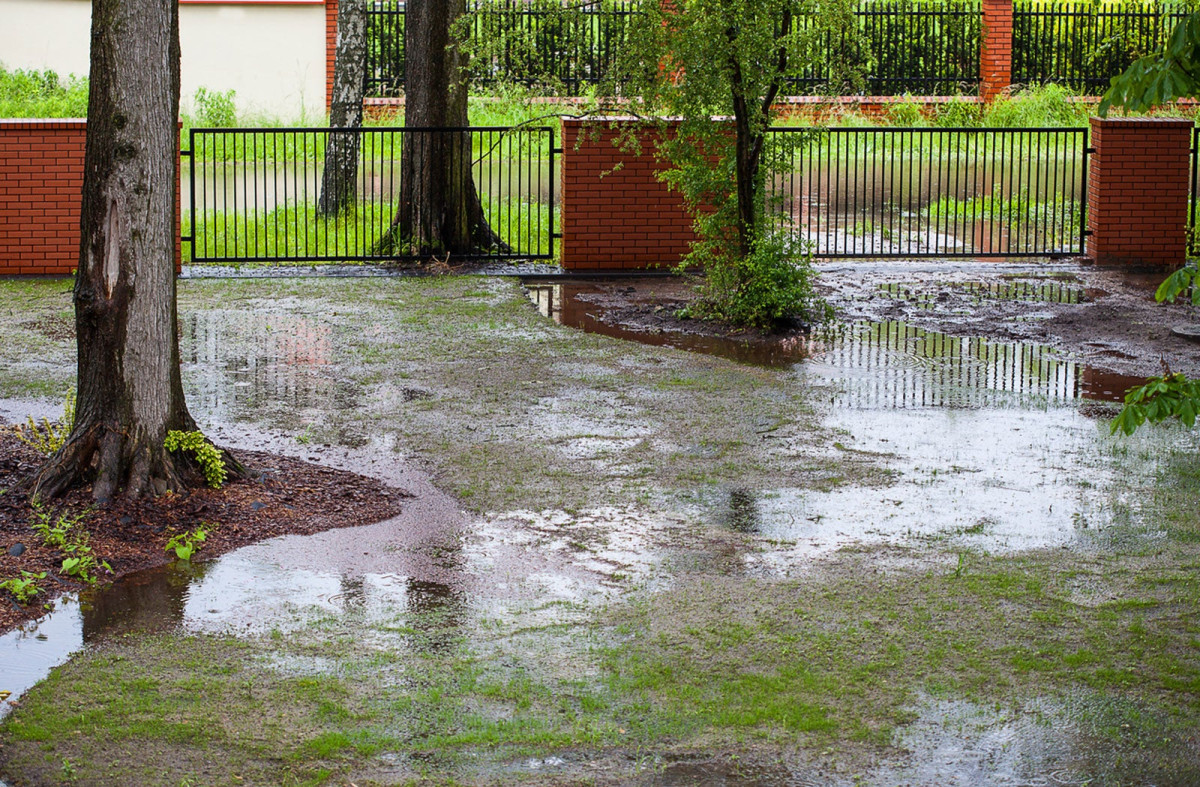
Improper landscape grading is another major culprit. If your yard slopes towards your home, rather than away from it, rainwater will naturally flow towards your foundation and find its way into your basement. Correcting this issue usually involves regrading your landscape, which might need professional assistance.
Here’s a brief overview:
| Cause | Solution |
|---|---|
| Faulty gutters | Regular maintenance |
| Improper landscape grading | Landscape regrading |
These are key causes, but they’re not the only ones. In the next subtopic, we’ll explore how rainwater can directly enter your basement. Understanding these causes is the first step to a drier, more comfortable basement.
How Rainwater Enters Your Basement
In understanding basement flooding, it’s crucial to know how rainwater can directly seep into your basement. The first major pathway is through cracks or gaps in your home’s windows or doors. Envision this: a heavy downpour hits your neighborhood, and water begins to pool around your house. If there are openings in your windows or doors, even small ones, water can find its way in.
Another common point of entry is via leaks in your roof or walls. When rainwater seeps into these areas, it can trickle down the interior of your walls, eventually reaching your basement. Over time, this slow drip can lead to a substantial buildup of water.
Lastly, rainwater can penetrate your basement if your home’s drainage system isn’t functioning correctly. For instance, if your gutters are clogged or your downspouts aren’t directing water away from your foundation, rainwater can pool around your house and seep into your basement.
The Role of Your House’s Foundation
Without a doubt, your house’s foundation plays an essential role in preventing basement flooding. It’s your home’s first line of defense, and if it’s compromised, you’re in for a world of trouble. A well-built and well-maintained foundation prevents water from seeping into your basement, thereby avoiding the headaches of water damage.
One key factor is the foundation’s slope. If it’s angled correctly, it directs rainwater away from your home. However, a flat or improperly sloped foundation could spell disaster. The materials used in your foundation also matter. Concrete and stone are excellent choices for blocking moisture.
What about the age of your foundation? Older foundations may succumb to wear and tear, making it easier for water to creep in. Regular inspection and maintenance can help spot and fix these problems early on.
Here’s a quick table summarizing these points:
| Key Factor | Good | Bad |
|---|---|---|
| Slope | Angled away from home | Flat or improperly sloped |
| Material | Concrete or stone | Poor quality materials |
| Age | New or well-maintained | Old and neglected |
Importance of Proper Drainage Systems
Now, let’s talk about the importance of proper drainage systems.
You’ll see how understanding your basement’s drainage system, recognizing common issues, and knowing how to fix them can prevent flooding.
It’s not just about having a drainage system—it’s about making sure it’s working correctly.
Understanding Basement Drainage Systems
When dealing with basement flooding issues, having a solid understanding of basement drainage systems can be a game changer. These systems, designed to reroute water away from your home, play an essential role in keeping your basement dry.
They’re like the unsung heroes of your home’s infrastructure, tirelessly working behind the scenes.
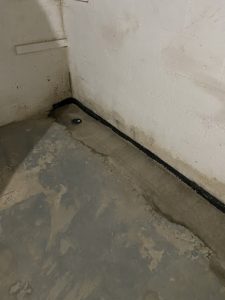
There are two main types of basement drainage systems: interior and exterior. Interior drainage systems catch water that’s already inside your basement and send it outside. They’re typically installed along the perimeter of your basement floor.
On the other hand, exterior systems work to prevent water from ever reaching your basement in the first place. They’re installed around the outside of your home and they direct rainwater away.
Your drainage system’s effectiveness relies heavily on its design and installation. A well-designed system will consider your home’s location, the local climate, and the specific characteristics of your property.
It’ll also factor in the type of soil around your home, as some soils absorb water more readily than others.
Getting to grips with how your basement drainage system works can empower you to tackle flooding issues head-on. It’s one of the first steps towards a drier, safer basement.
 Common Drainage System Problems
While understanding your home’s drainage system is a step in the right direction, being aware of common problems these systems often encounter is also of paramount importance.
You see, your drainage system is like the unsung hero of your home, quietly working to keep everything dry and prevent flooding after rainfall.
One common issue is blockages. Whether it’s a buildup of leaves, dirt, or other debris, blockages can prevent water from flowing freely through the pipes, causing it to back up and potentially flood your basement.
So, it’s crucial to regularly check and clean your drains.
Another common problem is poor installation. If your drainage system wasn’t installed correctly, it mightn’t adequately remove water from your home.
This could result in poor water flow, pooling water, and ultimately, basement flooding.
Lastly, let’s not forget about broken pipes. Over time, your drainage pipes can wear down and crack, leading to leaks.
A small leak mightn’t seem like a big deal, but over time it can lead to significant water damage.
Fixing Drainage System Issues
Having a properly functioning drainage system is a must for every homeowner. If your basement is consistently flooding after rain, it’s highly likely that your drainage system isn’t working as it should. But don’t panic – you’re not alone, and there are solutions available.
Start by inspecting your gutters and downspouts. Are they clogged or damaged? If so, they’re probably not efficiently moving water away from your home. Cleaning them out and repairing any damage can make a world of difference.
Next, look at the grading around your home. If land slopes towards your house, it’s likely causing water to pool around your foundation, leading to basement flooding. By regrading the land to slope away from your home, you’ll help direct water away from your foundation.
Lastly, consider installing a sump pump or French drain. These additions help move water away from your home, preventing it from seeping into your basement.
Identifying and Repairing Cracks
Believe it or not, even minor cracks in your basement walls or floor can be the source of major flooding issues. These seemingly insignificant faults allow water to seep in, especially during heavy rainfall.
So, how do you identify these culprits?
Start by inspecting your basement thoroughly. Look for hairline fractures, damp spots, or efflorescence – white, powdery substances on walls, signaling water leakage. It’s best to use a flashlight for a detailed examination.
Once you’ve identified the cracks, it’s time to fix them. You can use hydraulic cement or waterproofing sealant for small cracks. They’re easy to mix and apply. Clean the crack, apply the mixture, and let it dry.
For larger cracks, you might need professional help. They may use methods like epoxy injections or even recommend a complete foundation repair.
Preventive Measures Against Basement Flooding
Before a torrential downpour wreaks havoc on your basement, taking preventive measures can save you from a lot of stress and costly repairs.
It’s critical to maintain your home’s gutters and downspouts, ensuring they’re clear of debris and effectively channeling water away from your home’s foundation. When it’s pouring, double-check that water isn’t pooling around your house, as this can seep into your basement.
Consider installing a sump pump if you don’t already have one. This device collects excess water and pumps it away from your home, preventing it from entering your basement. If you already own one, make sure it’s working properly before the rainy season kicks in.
Waterproofing your basement walls and floors can also be a wise investment. It’ll create a barrier that prevents water from seeping in. You can also use water-resistant paint, which’ll help keep the water at bay.
Lastly, invest time in landscaping. Gradually sloping your yard away from your home can effectively divert rainwater, reducing the chances of it entering your basement.
So, if your basement’s getting flooded after rain, you’ve got a problem to solve. It might be clogged gutters, poor landscape grading, high groundwater levels, or structural cracks. Don’t wait until it gets worse, tackle it now. Remember, proper drainage and prompt repairs are your best friends in preventing costly damage and mold growth. Take preventive measures and keep your basement dry, regardless of how much it pours outside.

Contact Information:
Highlander Waterproofing & Foundation Repair
441 Mars Valencia Road
Valencia, PA 16059
United States
Giulio Bevilacqua
(877) 415-0564
https://highlanderwaterproofing.com/

