
Columbia HVAC pros explain how radiant floor heating works, the two system types, and why people like it.
Columbia, United States - November 18, 2026 / Carroll Mechanical /
A Guide to Radiant Floor Heating
If a house needs a new heating option or a remodel is planned, radiant floor heating deserves a close look. A radiant heating system warms the house from the floor up, and it works without the vents and fans of a forced-air system. This post looks at radiant floor heating, including how it works, which system types are available, and what in-floor radiant heat offers.
What Is Radiant Floor Heating?
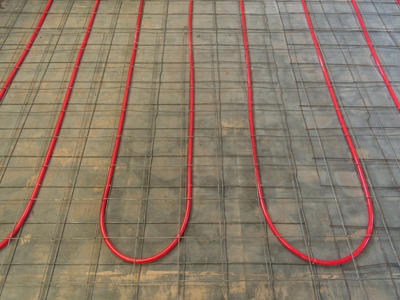 With radiant floor heating, the heat source sits under the floor surface. It warms the floor, and that heat then rises into the room. People and objects in the room absorb the warmth directly, so the space feels comfortable from the ground up.
A forced-air system heats air and pushes it through ducts and vents. Radiant heat doesn't rely on moving air. Instead, heated flooring releases warmth evenly across the room, helping avoid the cold spots and drafts that can come with ducted systems.
Radiant floor heating works under a range of floor coverings, such as tile, stone, and certain types of wood and vinyl. You can add it during new construction or as part of a remodel. A professional can check the floor structure and recommend the right installation method.
Types of Radiant Heating Systems
Radiant floor heating systems come in two main kinds, electric and hydronic. Electric radiant heating uses thin heating cables or mats placed under the floor. These systems are often used in single rooms, such as bathrooms or kitchens, because they are easier to add to a smaller space.
Hydronic radiant heating circulates heated water through tubing installed under the floor. The water is heated by a boiler or water heater and then pumped through loops of tubing. Hydronic systems are often used to heat larger areas or entire homes. They usually cost more to install than electric radiant heating, but they can be less expensive to run over time when heating a large space. A professional can explain which radiant heating system best fits a home's layout and heating needs.
What Are the Benefits of In-Floor Radiant Heat?
 Compared with other heating methods, in-floor radiant heating has several advantages, including:
- Superior comfort from heated floors
- Energy efficiency, which helps keep heating costs lower
- Quiet operation without fans turning on and off
- Better indoor air quality, because no ducts are spreading dust and allergens
Comfort is the biggest draw of radiant floor heat. Heated floors feel warm underfoot, and the even heat keeps rooms comfortable at a lower thermostat setting. Because there are no ducts to leak warm air, less energy is wasted.
Indoor air quality is another benefit of radiant floor heating. Forced-air systems can spread dust, pet dander, and other allergens through the home. Radiant heat doesn't push air around, which makes it a better fit for anyone with allergies.
Radiant heat also frees up space in each room. There are no vents or bulky radiators to work around, which makes it easier to arrange furniture. With few moving parts, radiant floor heating systems also tend to need less upkeep than many forced-air systems.
About Carroll Mechanical
Carroll Mechanical is a locally owned and operated heating and air conditioning company serving the Columbia area. They offer straightforward pricing, free estimates, and next-day installations. Call for radiant floor heating services in Columbia, MD.


Contact Information:
Carroll Mechanical
8300 Guilford Rd, Suite D
Columbia, MD 21046
United States
Roy Walker
(443) 312-9732
https://www.carrollmech.com/

